🍽
Fresh Catch
Grilled perfectly.
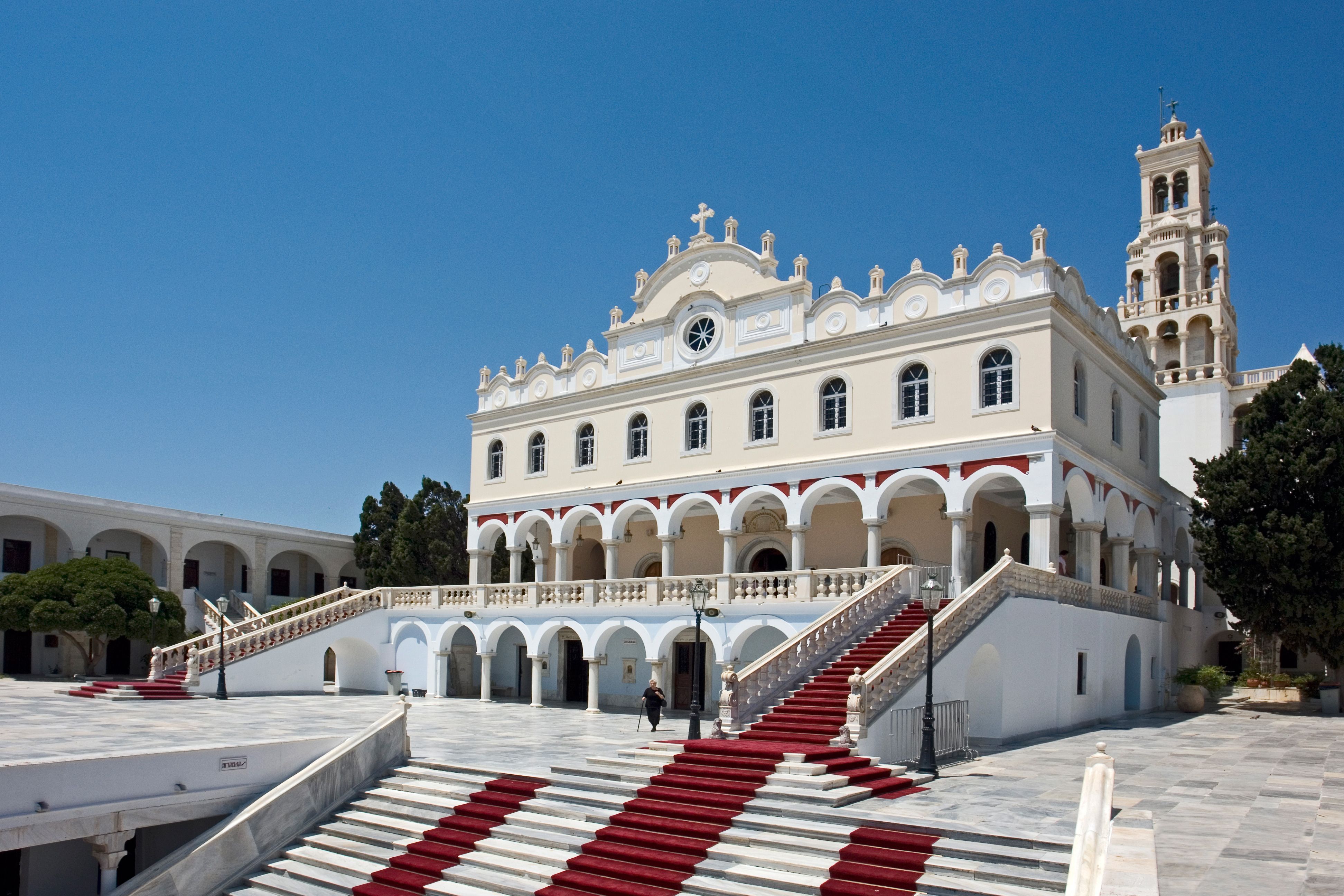
"Discover the authentic beauty of Tinos."
Kösem Sultan (Anastasia), wife of Ottoman Sultan Ahmed I, Haseki Sultan and Valide sultan of the Ottoman Empire, mother of Ottoman Sultans Murad IV, Ibrahim I and the official Regent of the Ottoman Empire. She was the most powerful woman in Ottoman history and one of the most powerful women of the 17th Century. She was the de facto supreme ruler of the Ottoman Empire for 20 years and the only woman to held supreme control over the Ottoman Empire and Caliphate with absolute power similar to that of a Sultan.
Research Note
Part of our exhaustive 2026 Golden Guide archive for Tinos. Verified by local historians and environmental researchers.
Tinos is famous amongst Greeks for the Church of Panagia Evangelistria, for the island's 80 or so windmills, for about 1,000 artistic dovecotes, for 50 active villages and for the Venetian fortifications on the mountain Exomvourgo. On Tinos, both Greek Orthodox and Catholic populations coexist, and the island is also well known for its sculptors and painters, such as Nikolaos Gysis, Yannoulis Chalepas and Nikiforos Lytras.
The island is located near the geographical center of the Cyclades islands complex, and because of the Panagia Evangelistria church, with the reputedly miraculous icon of Virgin Mary that it holds, Tinos is also the center of a yearly pilgrimage that takes place on the date of the Dormition of the Virgin Mary (15 August, Greek: Dekapentavgoustos). Many pilgrims make their way along the 800 metres (2,600 feet) from the ferry wharf to the church on their hands and knees as sign of devotion.
Research Note
Part of our exhaustive 2026 Golden Guide archive for Tinos. Verified by local historians and environmental researchers.
Anciently, the island was called Tenos (Ancient Greek: Τῆνος), and was also called Hydroussa/Hydroessa (Ὑδροῦσσα, Ὑδρόεσσα) from the number of its springs, and Ophioussa (Ὀφιοῦσσα) because it abounded in snakes. The sons of Boreas are said to have been slain in this island by Heracles. In the invasion of Greece by Xerxes I, the Tenians were compelled to serve in the Persian fleet; but a Tenian trireme deserted to the Greeks immediately before the Battle of Salamis (480 BCE), and accordingly the name of the Tenians was inscribed upon the tripod at Delphi in the list of Grecian states which had overthrown the Persians. Pausanias relates that the name of the Tenians was also inscribed on the statue of Zeus at Olympia among the Greeks who had fought at the Battle of Plataea. The Tenians afterwards formed part of the Delian League, and are mentioned among the subject allies of Athens at the time of the Sicilian expedition. They paid a yearly tribute of 3600 drachmae, from which it may be inferred that they enjoyed a considerable share of prosperity. Alexander of Pherae took possession of Tenos for a time; and the island was afterwards granted by Marcus Antonius to the Rhodians.
Research Note
Part of our exhaustive 2026 Golden Guide archive for Tinos. Verified by local historians and environmental researchers.
Explore the rich local heritage and uncover hidden secrets of this amazing destination.
Research Note
Part of our exhaustive 2026 Golden Guide archive for Tinos. Verified by local historians and environmental researchers.
Explore the rich local heritage and uncover hidden secrets of this amazing destination.
Research Note
Part of our exhaustive 2026 Golden Guide archive for Tinos. Verified by local historians and environmental researchers.
The dishes that define this place
Grilled perfectly.
Artisan made.
Foraged daily.
Explore the ancient pathways.
A pristine spot away from the crowds.
Unmarked history.
Curated by locals, organised by depth
Watch the sun dip below the Aegean.
Find Hotels in Tinos, Greece
via Booking.com — free cancellation on most rooms
Affiliate link — we earn a small commission at no extra cost to you