CYouInGreece
The Real Aegean
Nafplio
city — Greece

Nafplio

"Discover the authentic beauty of Nafplio."

Culture

Culture in Nafplio

Nauplia was at first independent of Argos, and a member of the maritime confederacy which held its meetings in the island of Calaureia. About the time of the Second Messenian War, it was conquered by the Argives; and the Lacedaemonians gave to its expelled citizens the town of Methone in Messenia, where they continued to reside even after the restoration of the Messenian state by the Theban general Epaminondas. Argos then took the place of Nauplia in the Calaureian confederacy; and from this time Nauplia appears in history only as the seaport of Argos. As such it is mentioned by Strabo, but in the time of Pausanias (2nd century) the place was deserted. Pausanias noticed the ruins of the walls of a temple of Poseidon, certain forts, and a fountain named Canathus, by washing in which Hera was said to have renewed her virginity every year.

Apart from tourism agriculture is a very important sector and the city is also surrounded by a fertile irrigated plain and produces oranges, lemons, peaches, apricots, olives and almonds. The Port of Nafplio is used only for bulk cargo due to its insufficient depth and also hosts a great number of leisure ships during the tourist season. The city has not developed any industrial activity of note and all secondary activities are related to agriculture or the construction industry.

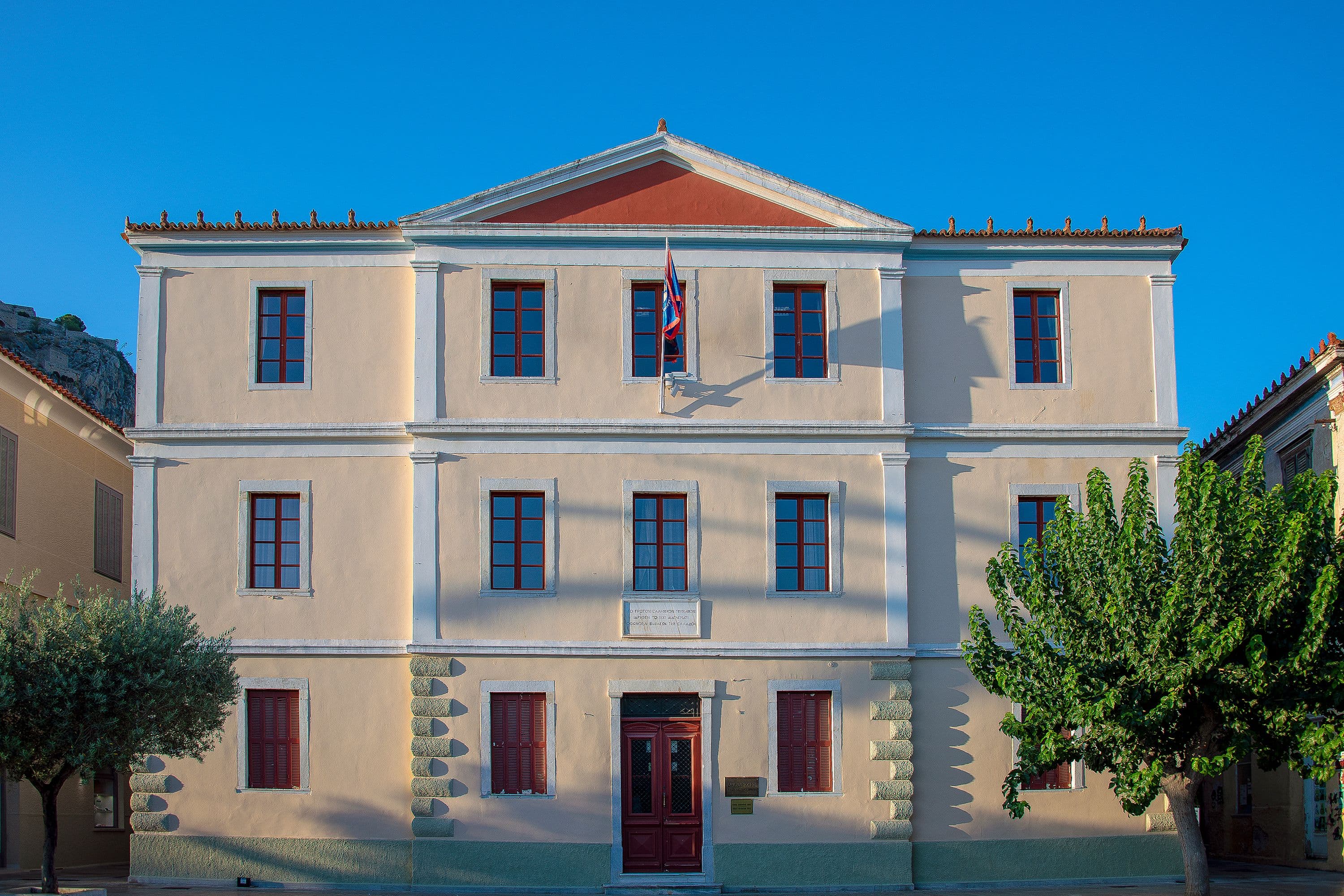
Nafplio maintains its own distinct traditional architectural style with many colourful buildings around the old town, influenced by the Venetians, due to their domination between 1338–1540 and during the Kingdom of the Morea and to a much lower degree by the Ottomans. Furthermore the city also contains a great number of eclecticist and neoclassical buildings and even a smaller number of modernist buildings such as Hotel Amphitryon (designed in the 1950s by architect Kleon Krantonellis). The city also contains the only example of Mycenaean Revival architecture, the National Bank of Greece branch of Nafplio.

Churches

Churches in Nafplio

Count Ioannis Kapodistrias, first head of state of newly liberated Greece, set foot on the Greek mainland for the first time in Nafplio on 7 January 1828 and made it the official capital of Greece in 1829. He was assassinated on 9 October 1831 by members of the Mavromichalis family, on the steps of the church of Saint Spyridon in Nafplio. After his assassination, a period of anarchy followed, until the arrival of King Otto and the establishment of the new Kingdom of Greece. Nafplio remained the capital of the kingdom until 1834, when King Otto decided to move the capital to Athens.

Museums

Museums in Nafplio

The area surrounding Nafplio has been inhabited since ancient times, but few signs of this, aside from the walls of the Acronauplia, remain visible. The town has been a stronghold on several occasions during Classical Antiquity. It seems to be mentioned on an Egyptian funerary inscription of Amenophis III as Nuplija. Nauplia (Ancient Greek: ἡ Ναυπλία) was the port of Argos, in ancient Argolis. It was situated upon a rocky peninsula, connected with the mainland by a narrow isthmus. It was a very ancient place, and is said to have derived its name from Nauplius, the son of Poseidon and Amymone, and the father of Palamedes, though it more probably owed its name, as Strabo has observed, to its harbour. Pausanias tells us that the Nauplians were Egyptians belonging to the colony which Danaus brought to Argos; and from the position of their city upon a promontory running out into the sea, which is quite different from the site of the earlier Grecian cities, it is not improbable that it was originally a settlement made by strangers from the East.

Gastronomy

Gastronomy in Nafplio

Explore the rich local heritage and uncover hidden secrets of this amazing destination.

Entertainment

Entertainment in Nafplio

Explore the rich local heritage and uncover hidden secrets of this amazing destination.

Local Perspective

The Diary of Nikos

"The secrets you won't find in the official archives."

Nikos' Diary
Nafplio Old Town, Farmakopoulou Street

Cobblestones and Coffee Grounds

The sun cracks over the Argolic Gulf, not with a gentle kiss, but with a harsh, uncompromising glare that hits the ochre plaster of the Venetian buildings. Early morning in Nafplio isn't for the faint of heart or the late riser. The first delivery trucks groan through the narrow lanes, exhaust fumes mixing with the acrid scent of strong Greek coffee brewing from the kafenions near Syntagma Square. I found refuge in a cramped nook on Farmakopoulou, watching an old woman meticulously sweep her stoop, the rhythmic scrape of the broom the only polite sound.

The true pulse starts before the souvenir shops on Staikopoulou even think of lifting their shutters. It’s in the clatter of a metal tray from a bakery, the low murmur of men reading newspapers over a single espresso, the distant cry of a gull. This is the town before it primps for the Instagrammers and the cruise ship hordes. This is the real, unvarnished Nafplio, still drowsy, still smelling of yesterday's grilled fish and today's promise of heat.

The Verdict

"A fleeting moment of gritty elegance before the masses descend."

Nikos' Diary
Palamidi Fortress Ascent

A Thousand Steps to Sweaty Redemption

They say there are 999 steps to Palamidi. Lies. There are a thousand, and each one is a bastard under the relentless midday sun. Sweat stung my eyes, my calves screamed, and the raw, ancient stone radiating heat felt like a personal affront. This isn't a leisure stroll; it's an arduous climb, a penance for past sins, rewarded not with 'breathtaking vistas' but with a visceral understanding of endurance. The air at the top, thin and scorching, carried the distant drone of cicadas and the metallic tang of salt.

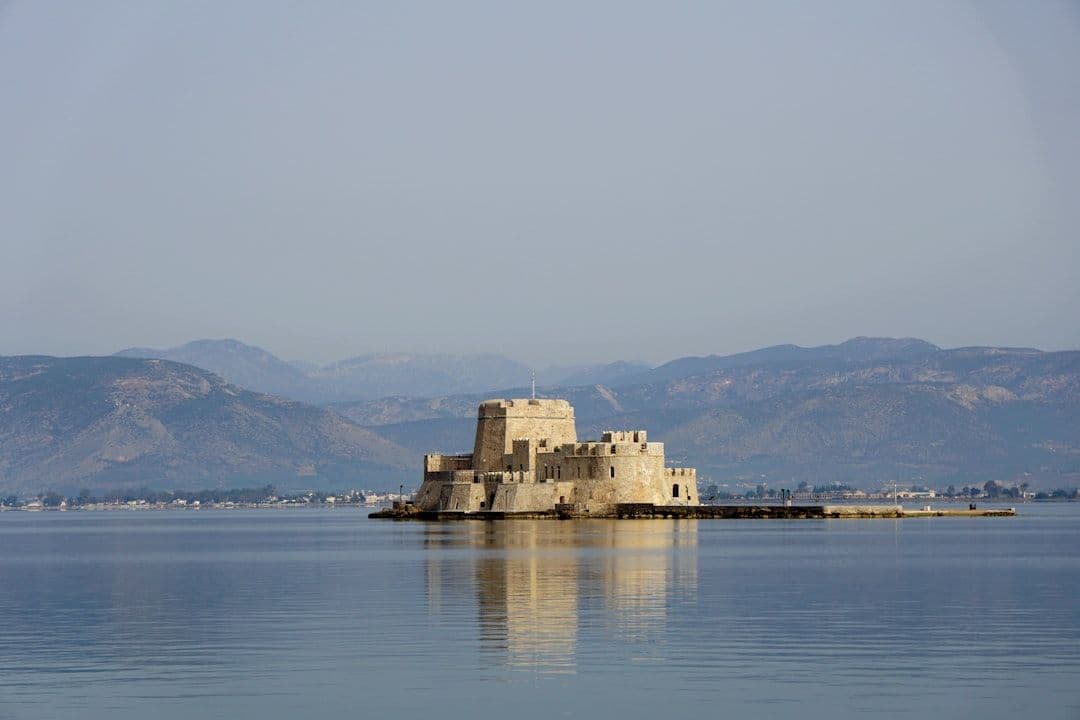
From the battlements, the sprawling bay below looked like a toy set. Bourtzi, a sugar cube in the water. The terracotta roofs of the old town, a jumbled mosaic. There’s a certain grim satisfaction in seeing the world laid out beneath you after such effort, especially knowing the casual tourists likely took the easy road up. The wind whipped past, tasting of dust and history, and the sheer scale of the fortress felt less like architecture and more like an extension of the rugged landscape itself.

The Verdict

"A pilgrimage for the masochist, rewarded with perspective, not pretty photos."

Nikos' Diary
Nafplio Old Port, Fishing Quay

Diesel and Drunkards at Dusk

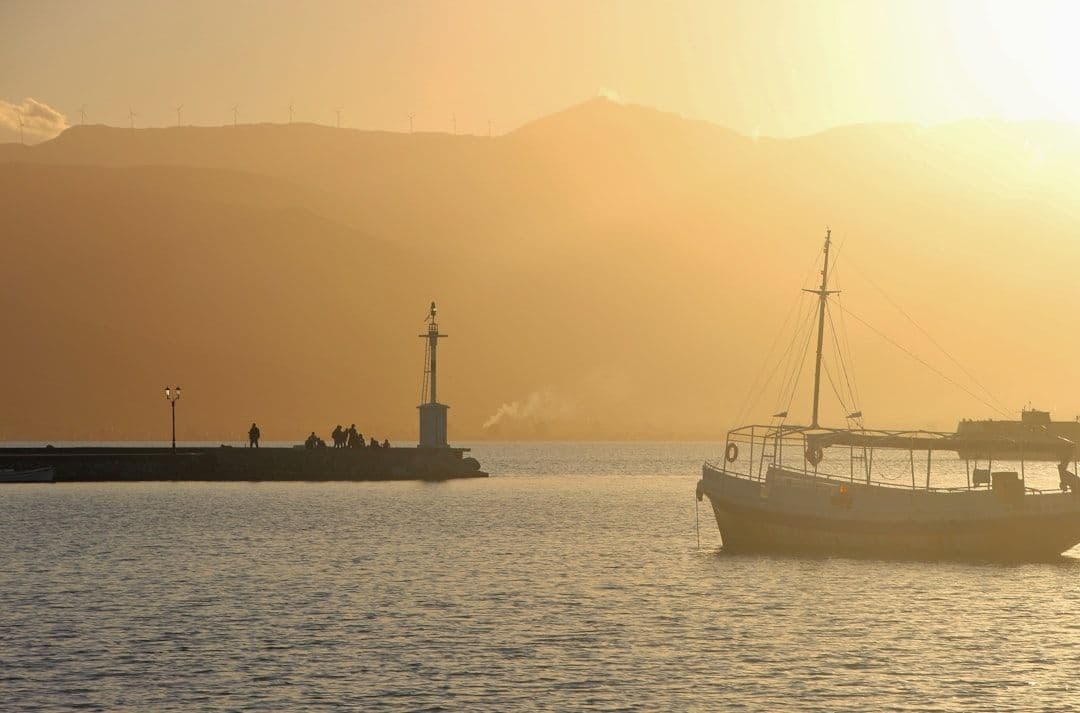
The main promenade empties of its polite diners as the sun dips, but the old port, near the fishing boats, still grumbles with life. The smell of diesel fuel hangs heavy, a greasy counterpoint to the salt in the air. Fishermen, their faces etched with sun and fatigue, mend nets under the harsh glow of single bare bulbs. Their hands, gnarled and calloused, move with practiced efficiency, a ballet of hard labor that tourists rarely witness beyond a fleeting glance.

I found a dented metal table at an unnamed joint, barely a taverna, where the red wine was served in an unmarked carafe and tasted of rough earth. The conversation was loud, coarse, in rapid Greek, punctuated by laughter and the clink of glasses. Here, away from the gentrified squares, the water sloshed against old hulls, and the town showed its true working-class skin. It wasn't clean, it wasn't quiet, but it was honest. And that's all that matters.

The Verdict

"Where the salt and sweat of the sea meet cheap wine and honest chatter."

Gastronomy

What to Eat.
And Where to Find It.

Taste of the Land

The dishes that define this place

🍽

This isn't a place for delicate palates. 'O Savouras', located slightly off the main promenade on Akti Miaouli, offers the day's catch, laid out on a bare tray for inspection. I had grilled sardines, their skins charred and smoky, guts still hinting at the sea, served with a crude wedge of lemon and a carafe of rough red wine that stained the glass. The owner, a barrel-chested man, bellowed orders to the kitchen. It’s loud, chaotic, and utterly genuine.
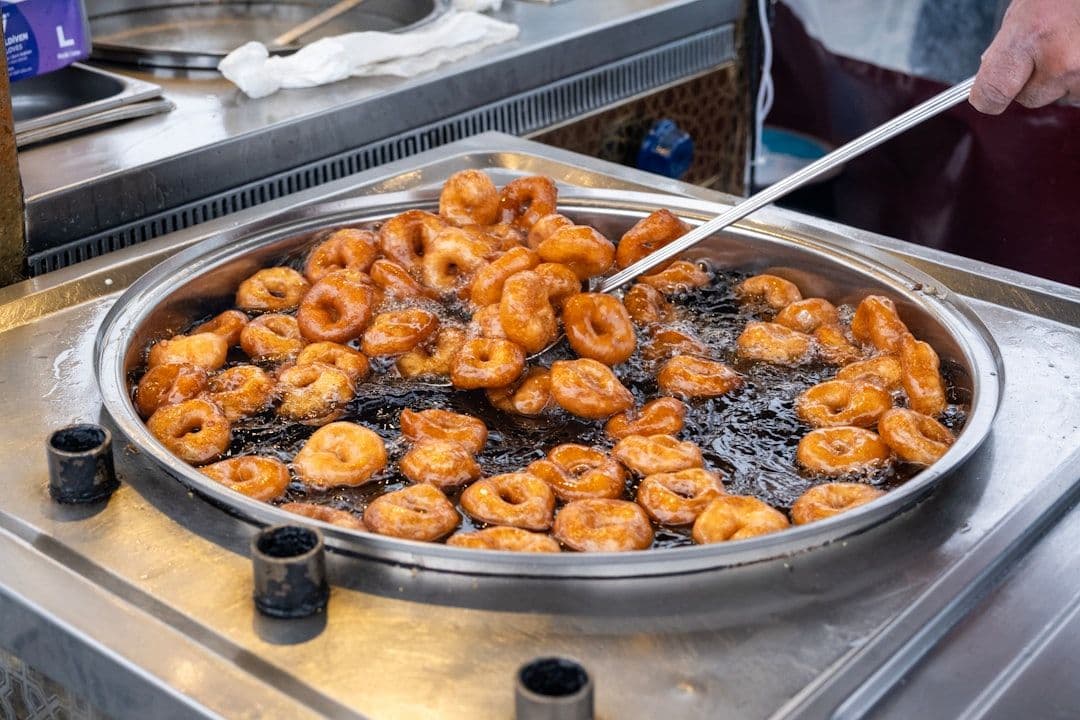
Forget the delicate desserts. On Othonos Street, near the old clock tower, there's 'Mpoukouvalas', an unassuming shop that’s been frying these doughy monstrosities for decades. Hot, crisp, and drowning in a sticky, golden syrup with a generous dusting of cinnamon. They're heavy, unapologetically sweet, and you'll inevitably get honey on your chin. Eat them standing on the street, letting the sugar hit you like a truck.

🍽

This isn't a sit-down meal; it's a transaction. 'O Giorgos', a no-frills counter joint on Staikopoulou Street, churns out the real deal. Pork souvlaki, slightly charred, wrapped in a warm, pliable pita with a smear of tzatziki, finely diced raw onion, and a few stray fries. The air around the counter is thick with charcoal smoke. Grab it, stand by the curb, and let the grease run down your arm. Pure, unadulterated Greek street fuel.

Off the Map

What the Guidebooks Miss.

💎 Only locals know

The Old Butcher's Alley

Forget the 'quaint' lanes. This is a narrow, unpaved sliver of a street, barely more than a gap between buildings, behind the old Agora building. It reeks of grilling lamb, garlic, and dried oregano – not a perfume, but a primal scent of honest cooking. Barely lit at night, it offers a raw, unfiltered glimpse into the back-of-house operations of some old-school eateries. You won't find souvenirs here, just the harsh reality of food prep.

💎 Only locals know
Agios Nikolaos' Neglected Terrace

Agios Nikolaos' Neglected Terrace

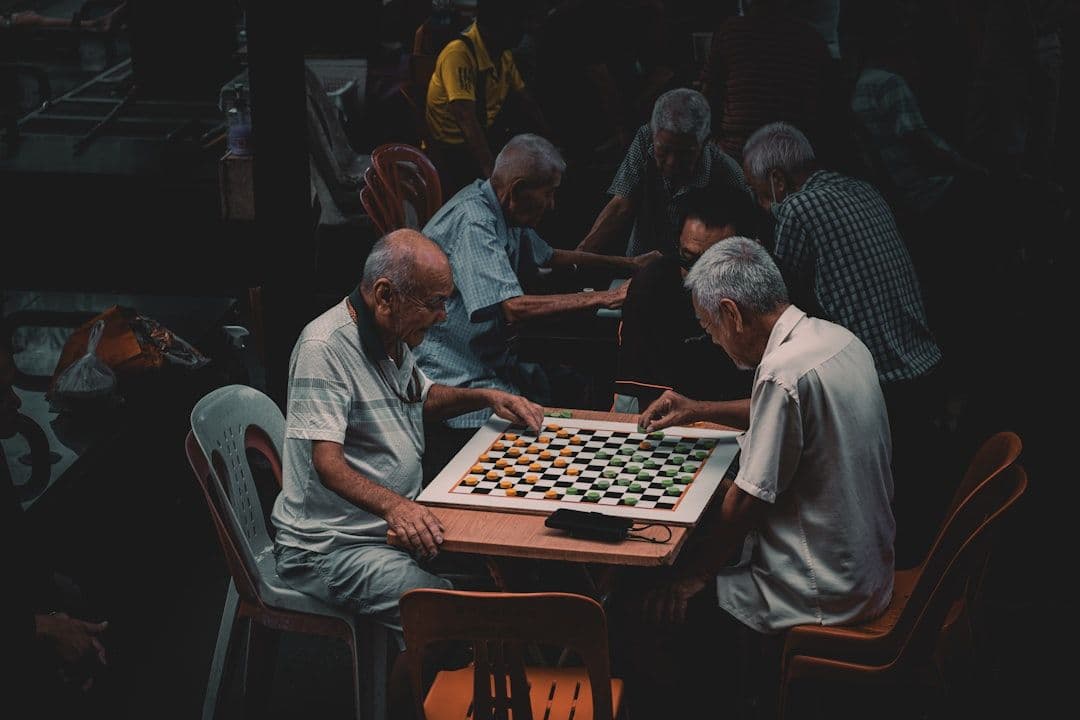
The Church of Agios Nikolaos itself is fine, but the real point of interest is a small, cracked stone terrace just west of it, overlooking a chaotic jumble of rooftops and laundry lines towards the sea. It's not a grand vista, but a scruffy, unkempt spot where a few old men often huddle over backgammon boards, oblivious to the world. No tourist hordes, just the quiet click of dice and the occasional spit. It’s a space carved out by locals, for locals.

💎 Only locals know
The Naval Museum's Grimy Backroom

The Naval Museum's Grimy Backroom

Don't bother with the polished exhibits inside. Head to the rear of the Naval Museum building, towards the sea wall, where old anchors, rusted chains, and forgotten buoys are left to decay under the relentless sun. This isn't an exhibit; it's a graveyard of maritime history, authentic in its neglect. The smell of salt and rust is potent, a stark reminder of the harsh realities of the sea that built this town, far from any interpretive plaques.

Experiences

How to Spend Your Days.

Top Experiences

Curated by locals, organised by depth

Drag yourself out of bed before the first hint of color stains the eastern sky. Head straight to the old port. Watch the small fishing trawlers chug back in, their engines sputtering, nets heavy with the night’s catch. The air is thick with diesel fumes and the primal scent of the sea. Observe the rough, swift sorting of squid, octopus, and silver fish – a raw, unglamorous ballet of labor that defines the town's true character, far from any tourist brochures.

From the Journal

Stories from Nafplio

Plan Your Trip

Book your Nafplio experience.

B.

Find Hotels in Nafplio, Greece

via Booking.com — free cancellation on most rooms

Search Available Hotels →

Affiliate link — we earn a small commission at no extra cost to you

← Return to Encyclopaedia