🍽
Fresh Catch
Grilled perfectly.
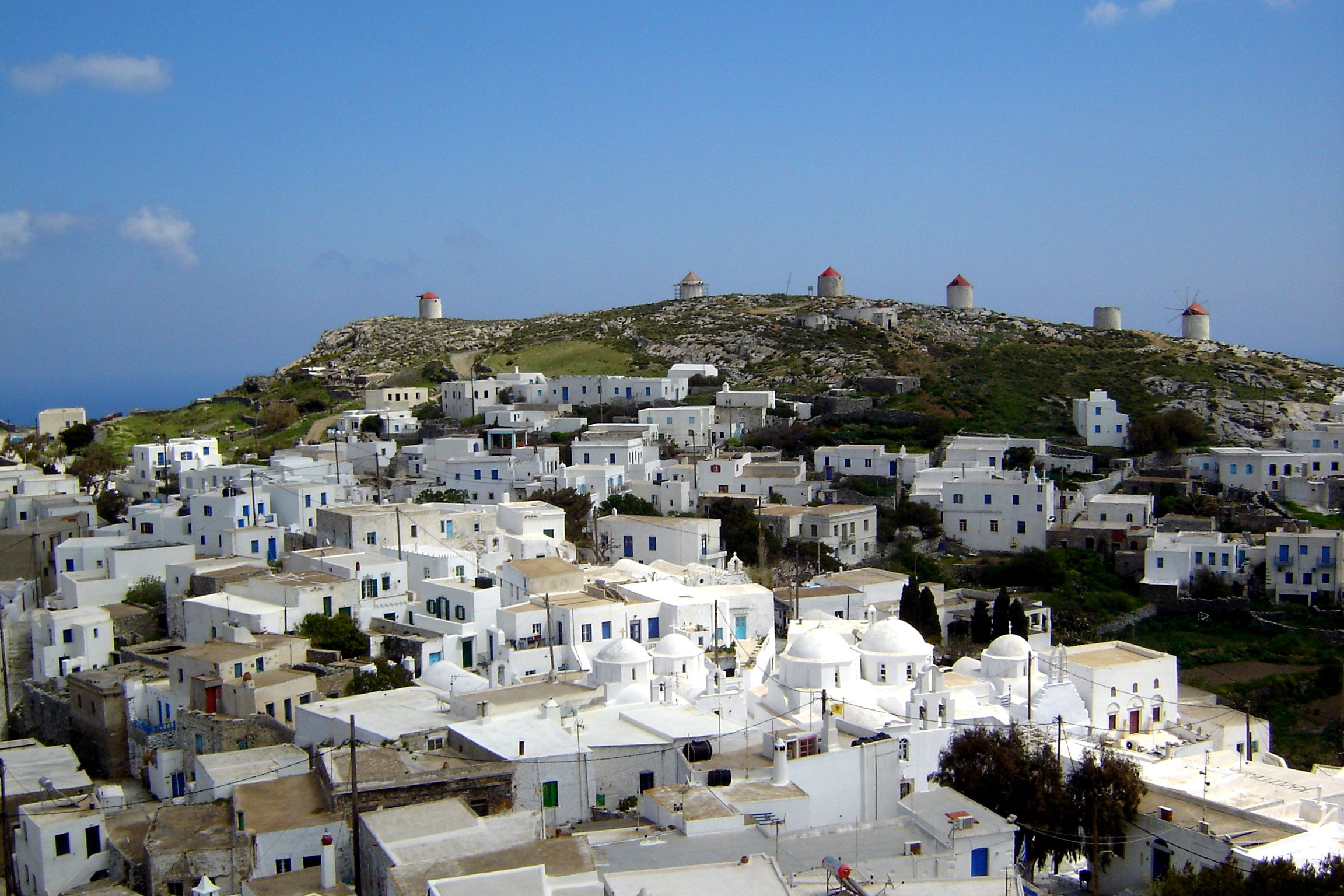
"Discover the authentic beauty of Amorgos."
Throughout history, Amorgos was also known as Yperia, or Platagy, Pagali, Psichia, and Karkisia. Amorgos features many remnants of ancient civilizations. At the time of Archaic Greece, there were three independent city-states there. They are believed to have featured autonomous constitutions but the same currency. Amorgos is distinguished by the size and quality of the walls surrounding the city of Arkesine (Ancient Greek: Ἀρκεσίνη), the ancient towers whose remains are scattered around the island, ancient tombs, stone tools, inscriptions, vases and by other antiquities. Arcesine or Arkesine was one of the three main settlements on the island in antiquity.
Research Note
Part of our exhaustive 2026 Golden Guide archive for Amorgos. Verified by local historians and environmental researchers.
The monastery of Panagia Hozoviotissa is situated on the cliffside, northeast of Chora. It was built early in the second millennium in order to protect a religious icon, dating from the year 812, from intruders. The icon is on public display inside the monastery. Opening time for visitors every day from 8:00 a.m. to 1:00 p.m and 5:00 p.m. to 7:00 p.m. Visitors have to be dressed in a specific way in order to enter. Men have to wear long trousers and women a skirt or a wrap around shift down to the knee, not trousers. The shift may, however, be worn over trousers. As of July 2012, the monastery is active and houses three practicing monks.
Research Note
Part of our exhaustive 2026 Golden Guide archive for Amorgos. Verified by local historians and environmental researchers.
Due to its position near the ancient Ionian towns, such as Miletus, Halicarnassus and Ephesus, Amorgos became one of the first places from which the Ionians passed through to the Cycladic Islands and onto the Greek mainland.
Throughout history, Amorgos was also known as Yperia, or Platagy, Pagali, Psichia, and Karkisia. Amorgos features many remnants of ancient civilizations. At the time of Archaic Greece, there were three independent city-states there. They are believed to have featured autonomous constitutions but the same currency. Amorgos is distinguished by the size and quality of the walls surrounding the city of Arkesine (Ancient Greek: Ἀρκεσίνη), the ancient towers whose remains are scattered around the island, ancient tombs, stone tools, inscriptions, vases and by other antiquities. Arcesine or Arkesine was one of the three main settlements on the island in antiquity.
Due to the name Minoa for one of its ancient cities, it is suspected that Amorgos had been colonized by the Cretans from ancient times, but no known archeological evidence supports this view.
Research Note
Part of our exhaustive 2026 Golden Guide archive for Amorgos. Verified by local historians and environmental researchers.
Heraclides Lembus wrote that the island produced much wine, as well as olive oil and fruits.
Research Note
Part of our exhaustive 2026 Golden Guide archive for Amorgos. Verified by local historians and environmental researchers.
Explore the rich local heritage and uncover hidden secrets of this amazing destination.
Research Note
Part of our exhaustive 2026 Golden Guide archive for Amorgos. Verified by local historians and environmental researchers.
The dishes that define this place
Grilled perfectly.
Artisan made.
Foraged daily.
Explore the ancient pathways.
A pristine spot away from the crowds.
Unmarked history.
Curated by locals, organised by depth
Watch the sun dip below the Aegean.
Find Hotels in Amorgos, Greece
via Booking.com — free cancellation on most rooms
Affiliate link — we earn a small commission at no extra cost to you