🍽
Fresh Catch
Grilled perfectly.
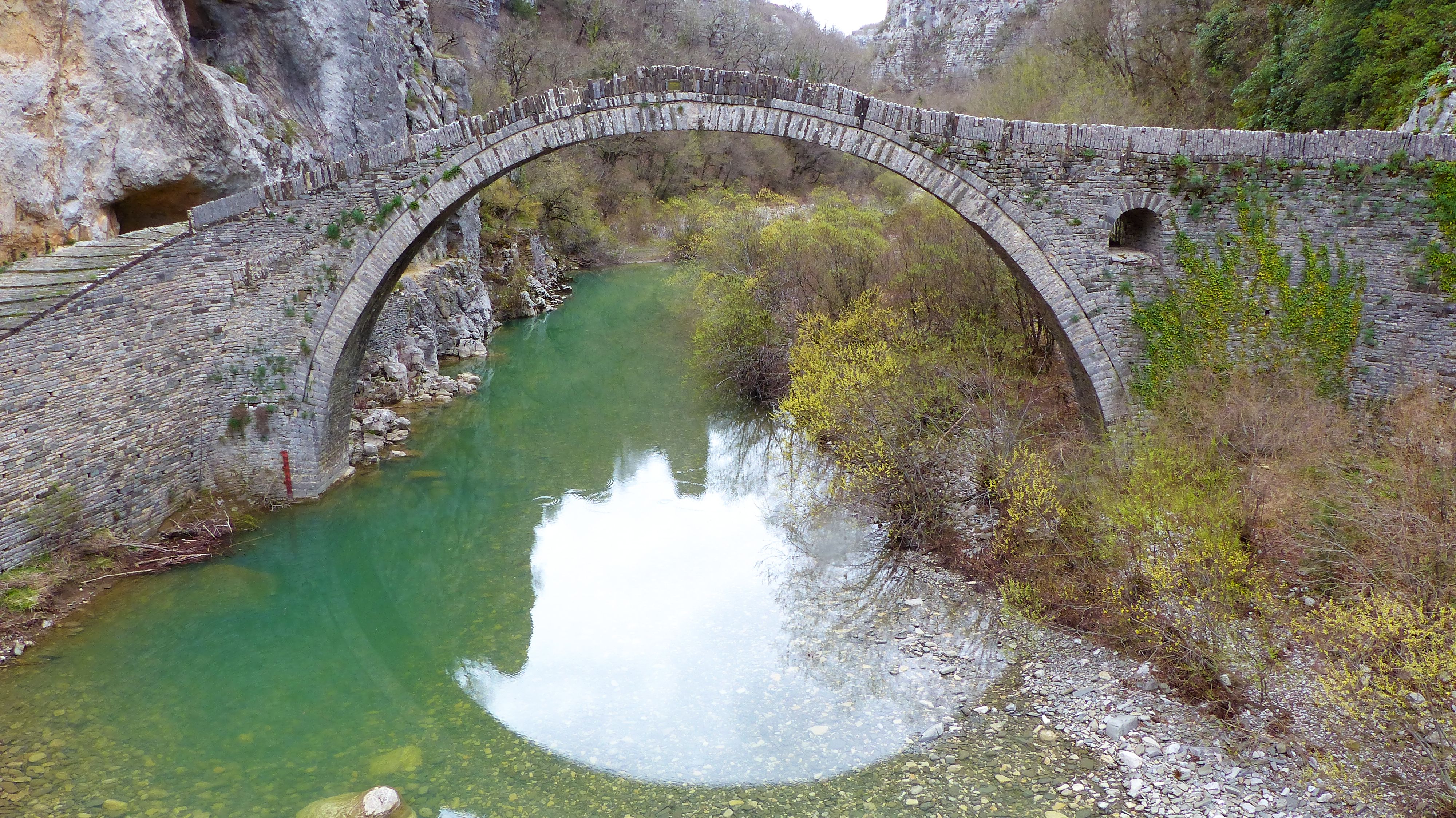
"Discover the authentic beauty of Zagori."
Zagori is an area of great natural beauty, with striking geology and two National Parks, one including the river Aoos and the Vikos Gorge, the other around Valia Kalda, to the east of the imposing snow-capped Mt Tymphe. The 46 or so villages of Zagori were interconnected by mountain roads and traditional arched stone bridges until modern roads were opened in the 1950s. The stone arched bridges were built by benefactions from expatriate merchants in the 18th century and replaced older wooden bridges.
Up to the end of the Ottoman rule the native Zagorians preserved their social superiority over the other classes, as well they were engaged in lucrative and socially recognized professions. Among the Zagorians the most distinguished class due to their wealth and status were the archontes. The economic affluence of Zagori's past is still reflected in the architecture of the villages. This was accompanied by an impressive cultural and intellectual life that produced many renowned scholars and benefactors of Greece.
In the 17th century, the villages of Western Zagori were also admitted to the Treaty, so that by 1678 the total number of villages in Zagori had increased to 60. Traditional medicine flourished in the form of "Vikos doctors", who gathered herbs for their preparations from the Vikos gorge. As such Zagori became a major center of folk medicine. These herbal healers used special recipes that were often copies of ancient Greek recipes of Hippocrates or Dioscorides and became famous beyond the borders of Greece.
Research Note
Part of our exhaustive 2026 Golden Guide archive for Zagori. Verified by local historians and environmental researchers.
The passage of the Slavs during the early Byzantine period is testified to by numerous placenames. The placename "Zagori" itself is probably derived from the Slavic Zagore meaning "beyond the mountains". Under the Byzantine Empire, Zagori occasionally attracted groups of soldiers who built villages and settled there. Several monasteries were royal endowments, including the monastery of Votsa near the village of Greveniti and the monastery of the Transfiguration near Kleidonia, founded in the 7th century by the Byzantine Emperor Constantine IV Pogonatus and the monastery of St John of Rogovou near Tsepelovo founded in 1028 by the sister of Emperor Romanos III Argyros.
Over the centuries, some groups of Orthodox Albanians (locally known as Arvanites) settled in at least 12 villages of Zagori. Albanian settlers in Zagori must have been very few in the 15th century. Most of the Albanian settlement can be attributed to a later era and was fuelled by outward migration from Zagori of locals, which created the need for new inhabitants to help with local economic activities. Many Orthodox Albanians intermarried into the communities of Zagori or were adopted by Zagorisian families. They often served as guards for the villages of Zagori and their fields which had no military protection, however would occasionally resort to banditry. Hence Albanian immigrants filled these labour gaps and quickly became part of the local population. Most of them had already participated in the Greek national struggles as Klephts and were experienced warriors. Some Albanians from Konitsa (Gorgopotamos, Chionades) worked as masons or painters in Zagori but rarely settled there. Christian Orthodox Albanians have settled in at least 12 Zagori villages, including Tristeno, Aristi, Megalo Papingo, Anthrakitis, Asprangeloi, Kavallari, Kipi, Leptokarya, Monodendri, Tsepelovo, Vitsa, Vradeto and possibly Kapesovo. Local Albanian traces, with the exception of some toponyms, have disappeared.
At that era Orthodox Roma families settled in most villages in low numbers. They served as musicians and blacksmiths in Zagori. Arvanites and Roma were considered metoikoi (literary: foreigners) and comprised the lower social class in the region and lived at the outskirts of the villages without civil and property rights in Zagori politics, and were assimilated.
Research Note
Part of our exhaustive 2026 Golden Guide archive for Zagori. Verified by local historians and environmental researchers.
The first evidence of human presence in the area is dated between 17,000 and 10,000 years ago. Important epipaleolithic artifacts have been unearthed from Kleidi Cave on the banks of Voidomatis. In antiquity, the region of Zagori was inhabited by the Tymphaeans and formed a part of the ancient kingdom of the Molossians, a Greek tribe of Epirus that gained control over all of Epirus in classical times. The Molossian royal house ruled Epirus from the ancient town of "Molossis" which was located near modern Konitsa, in the northern boundary of Zagori, where the rivers Voidomatis, Aoös and Sarantaporos come together. The Molossians were known among else for a breed of great mastiffs they used to guard their flocks from wolves and bears and which were even used in war.
In the 17th century, the villages of Western Zagori were also admitted to the Treaty, so that by 1678 the total number of villages in Zagori had increased to 60. Traditional medicine flourished in the form of "Vikos doctors", who gathered herbs for their preparations from the Vikos gorge. As such Zagori became a major center of folk medicine. These herbal healers used special recipes that were often copies of ancient Greek recipes of Hippocrates or Dioscorides and became famous beyond the borders of Greece.
Research Note
Part of our exhaustive 2026 Golden Guide archive for Zagori. Verified by local historians and environmental researchers.
Explore the rich local heritage and uncover hidden secrets of this amazing destination.
Research Note
Part of our exhaustive 2026 Golden Guide archive for Zagori. Verified by local historians and environmental researchers.
Unique customs are associated with Hellenistic or Christian festivals. The larger churches and monasteries celebrate their nominal saint feast with a festival that can last several days.
Research Note
Part of our exhaustive 2026 Golden Guide archive for Zagori. Verified by local historians and environmental researchers.
The dishes that define this place
Grilled perfectly.
Artisan made.
Foraged daily.
Explore the ancient pathways.
A pristine spot away from the crowds.
Unmarked history.
Curated by locals, organised by depth
Watch the sun dip below the Aegean.
Where Greece, Albania and North Macedonia share a lake, the bears still outnumber the tourists. One of Europe's most important wetlands sits almost entirely unknown.
Read more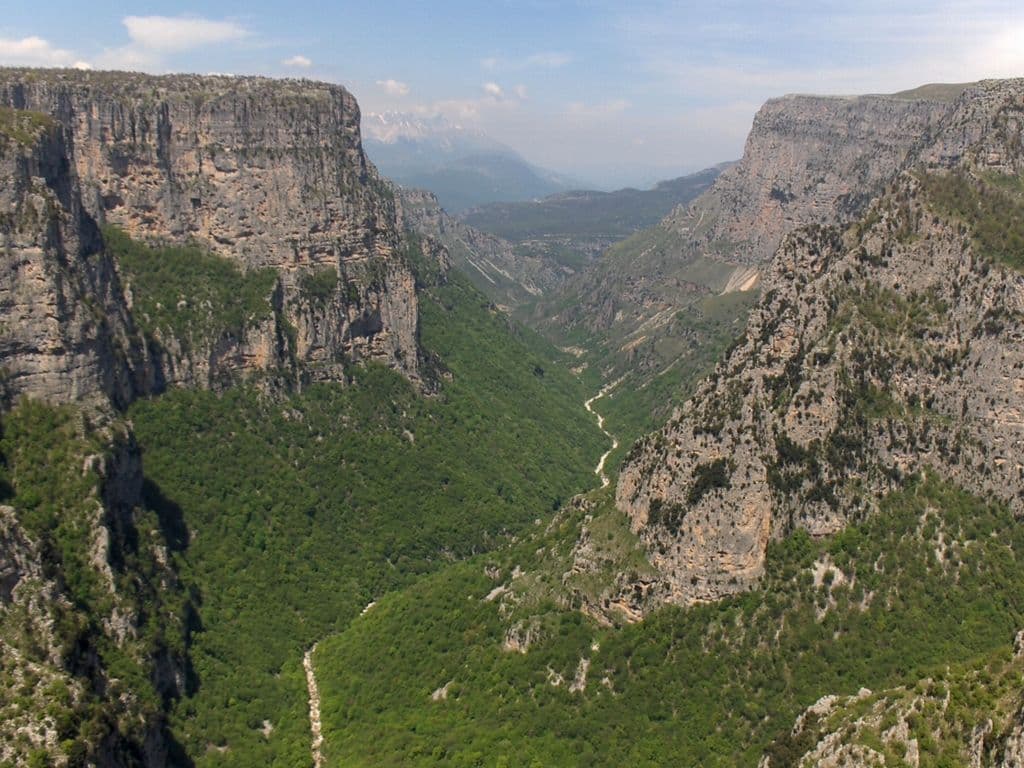
There are hikes, and then there is the full crossing of Vikos — a single day walk that packs a lifetime's worth of Greek mountain beauty into its wild, dramatic kilometres.
Read moreFind Hotels in Zagori, Greece
via Booking.com — free cancellation on most rooms
Affiliate link — we earn a small commission at no extra cost to you